
Best Fire Extinguisher for Electrical Fire (Australia Safety Guide 2026)
- 6 days ago
- 6 min read
Electrical fires are among the most common fire risks in Australian homes, offices, workshops, and commercial buildings. Whether caused by faulty wiring, overloaded circuits, damaged appliances, or electrical equipment failures, knowing which fire extinguisher for electrical fire situations to use can help protect people, property, and valuable equipment.

Not all fire extinguishers are suitable for electrical fires. Using the wrong extinguisher can increase the risk of electric shock, equipment damage, or fire spread. In Australia, CO2 fire extinguishers are commonly recommended for electrical fires involving live electrical equipment, while ABE dry powder extinguishers can also be effective in many situations. For lithium-ion battery systems, electric vehicle charging stations, and battery storage systems, specialised extinguishers such as F-500 lithium-ion extinguishers may provide additional protection.
Let's explore which extinguisher is best for electrical fires, when to use CO2 versus ABE extinguishers, and how to protect your home or workplace from electrical fire risks.
What Is the Best Fire Extinguisher for Electrical Fires?
Electrical Fire Risk | Recommended Extinguisher | Why |
Switchboards | CO2 Extinguisher | No residue, non-conductive |
Computers & electronics | CO2 Extinguisher | Protects sensitive equipment |
Home electrical fires | CO2 or ABE Extinguisher | Effective depending on fire type |
Workshops | CO2 + ABE Extinguisher | Covers multiple fire risks |
Server rooms | CO2 Extinguisher | No damage to electronics |
EV charging stations | F-500 Lithium-Ion Extinguisher | Designed for battery fire risks |
Solar battery systems | F-500 Lithium-Ion Extinguisher | Helps manage lithium battery fires |
For most electrical fires involving live equipment, CO2 fire extinguishers are considered one of the best options because they do not conduct electricity and leave no residue behind.
What Causes Electrical Fires?
Electrical fires can occur when electrical systems overheat, short-circuit, or fail.
Common causes include:
overloaded power boards
faulty wiring
damaged electrical cables
defective appliances
switchboard faults
battery chargers
solar power systems
electric vehicle charging equipment
lithium-ion battery failures
Many electrical fires start unnoticed behind walls, inside equipment, or within electrical cabinets before spreading to surrounding materials.

What Is the Best Fire Extinguisher for Electrical Fire Risks?
The best extinguisher depends on the type of electrical equipment involved and whether the fire has spread to surrounding materials.
CO2 Fire Extinguishers
CO2 extinguishers are often considered the preferred choice for electrical fires.
Benefits of CO2 extinguishers:
non-conductive
safe around live electrical equipment
leaves no residue
protects electronics
ideal for offices and switchboards
Common applications:
server rooms
switchboards
data centres
electrical cabinets
offices
computer equipment
Because CO2 evaporates after discharge, there is minimal clean-up and reduced risk of equipment damage.

ABE Dry Powder Fire Extinguishers
ABE extinguishers are among the most versatile fire extinguishers available.
Benefits of ABE extinguishers:
suitable for multiple fire classes
effective on electrical fires
ideal for homes and garages
economical and widely available
Common applications:
households
workshops
garages
warehouses
commercial premises
Limitations
Although effective on electrical fires, ABE extinguishers leave a fine powder residue that can damage sensitive electronics and require extensive cleaning.

F-500 Lithium-Ion Fire Extinguishers
As electric vehicles and battery storage systems become more common, lithium-ion battery fires are becoming an important fire safety consideration.
F-500 extinguishers are designed to help:
cool lithium-ion battery cells
suppress thermal runaway
reduce re-ignition risk
manage EV battery fire incidents
They are commonly recommended for:
EV charging stations
battery storage systems
solar batteries
electric vehicle workshops
lithium battery storage areas
Can You Use Water on an Electrical Fire?
No.
Water should never be used on a live electrical fire.
Water can conduct electricity and may increase the risk of:
electric shock
serious injury
fire spread
equipment damage
Always use an extinguisher specifically suitable for electrical fire risks.
CO2 vs ABE: Which Is Better for Electrical Fires?
Feature | CO2 Extinguisher | ABE Extinguisher |
Electrical fires | Excellent | Very Good |
Sensitive electronics | Excellent | Limited |
Residue | None | Powder residue |
Switchboards | Excellent | Good |
Home use | Good | Excellent |
Workshops | Good | Excellent |
Equipment protection | Excellent | Limited |
Recommendation
If protecting sensitive electronics is important, CO2 is often the preferred choice.
If broader fire protection is required, ABE extinguishers provide excellent versatility.
Many workplaces install both.

Best Fire Extinguisher for Home Electrical Fires
Australian homes contain numerous electrical fire risks, including:
kitchen appliances
televisions
computers
charging devices
switchboards
solar inverters
For most homes, a combination of:
CO2 extinguisher
2kg ABE extinguisher
provides strong protection against common fire hazards.
Best Fire Extinguisher for Commercial Electrical Equipment
Commercial environments often contain high-value electrical assets.
Recommended locations for CO2 extinguishers include:
server rooms
switchboards
communications cabinets
electrical control rooms
office equipment areas
Workshops and warehouses often benefit from both:
CO2 extinguishers
4.5kg ABE extinguishers
to provide broader protection.
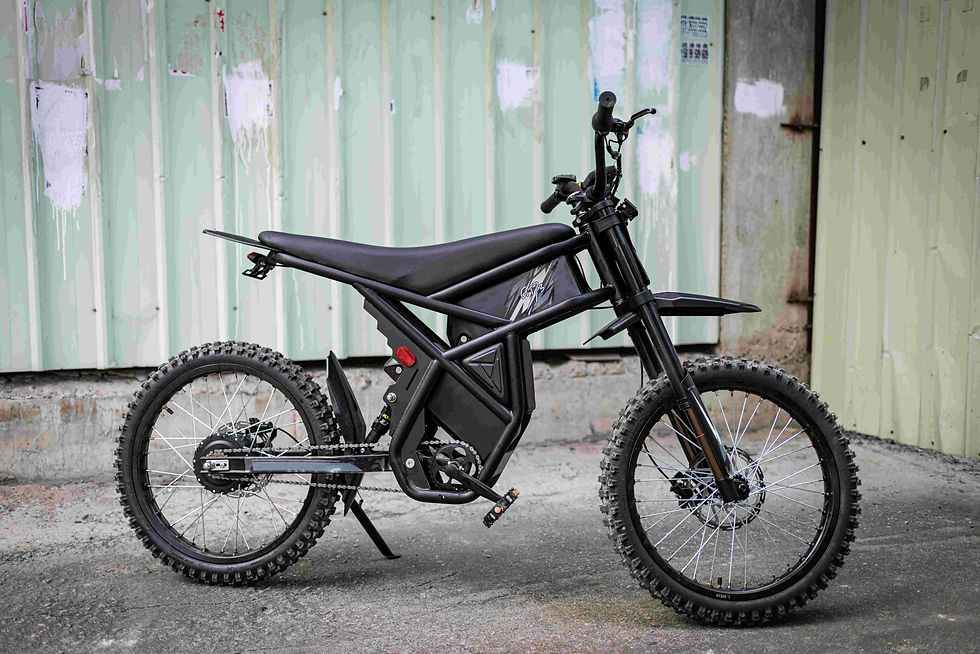
Electrical Fire Risks from EV Chargers and Solar Batteries
Modern electrical systems increasingly include:
EV charging stations
solar battery storage
lithium-ion battery banks
renewable energy systems
These environments may require additional protection because lithium-ion battery fires behave differently from traditional electrical fires.
For these applications, many businesses and homeowners choose F-500 lithium-ion extinguishers as part of their fire safety strategy.
Fire Extinguisher Placement for Electrical Fire Protection
Electrical fire extinguishers should be installed:
near switchboards
near server rooms
adjacent to electrical equipment
close to EV charging stations
along emergency access routes
They should remain:
visible
unobstructed
regularly inspected
easily accessible during emergencies
Key Takeaways
CO2 extinguishers are among the best fire extinguishers for electrical fires.
ABE extinguishers provide versatile protection for homes and workplaces.
Water should never be used on live electrical fires.
EV charging systems and lithium batteries may require specialised extinguishers.
Fire extinguishers should be positioned for quick and safe emergency access.

Frequently Asked Questions
What is the best fire extinguisher for an electrical fire?
CO2 fire extinguishers are widely considered one of the best options for electrical fires because they do not conduct electricity and leave no residue behind. They are commonly used around switchboards, computers, server rooms, and other sensitive electrical equipment.
Can an ABE fire extinguisher be used on electrical fires?
Yes. ABE dry powder extinguishers can be used on many electrical fires and are commonly found in homes, garages, workshops, and commercial premises. However, they leave a powder residue that may damage sensitive electronic equipment.
Can you use water on an electrical fire?
No. Water should never be used on a live electrical fire because it can conduct electricity and increase the risk of electric shock, injury, and fire spread.
Is CO2 better than dry powder for electrical fires?
CO2 extinguishers are generally preferred for electrical fires involving computers, switchboards, and electronics because they leave no residue. ABE extinguishers provide broader fire protection but may damage equipment due to the powder residue left behind.
What fire extinguisher should be used for a switchboard fire?
A CO2 fire extinguisher is commonly recommended for switchboard fires because it is non-conductive and does not leave residue that could damage electrical components.
What is the best fire extinguisher for electrical equipment?
CO2 extinguishers are often considered the best choice for electrical equipment, including computers, servers, telecommunications equipment, and electrical cabinets, because they suppress fires without leaving residue.
Are electrical fires classified as Class E fires in Australia?
Electrical fires are commonly referred to as Class E fires in Australia. Class E describes fires involving energised electrical equipment, although the underlying fuel source may fall into another fire classification once the power is disconnected.
What fire extinguisher is best for a server room?
CO2 fire extinguishers are widely used in server rooms because they can suppress electrical fires without damaging sensitive computer equipment or leaving residue that requires extensive clean-up.
What fire extinguisher should I use for EV charging stations?
For electric vehicle charging stations and lithium-ion battery risks, F-500 lithium-ion fire extinguishers are increasingly used because they help cool battery cells and reduce thermal runaway risks.
Can electrical fires restart after being extinguished?
Yes. Electrical fires can reignite if the underlying electrical fault is not repaired. After any electrical fire, the power source should be isolated and the affected equipment inspected by a qualified electrician before being used again.
Should every home have an electrical fire extinguisher?
Homes with electrical appliances, home offices, solar systems, battery storage, or EV charging equipment can benefit from having a suitable fire extinguisher readily accessible. A combination of a CO2 extinguisher and an ABE extinguisher provides broader protection against different fire risks.
Where should electrical fire extinguishers be installed?
Electrical fire extinguishers should be installed near switchboards, electrical equipment rooms, offices, workshops, server rooms, and EV charging areas where they remain visible, accessible, and unobstructed during an emergency.
Conclusion
Choosing the correct fire extinguisher for electrical fire risks is essential for protecting people, property, and valuable equipment. While CO2 extinguishers are often preferred for switchboards, electronics, and sensitive electrical equipment, ABE extinguishers provide versatile protection across a wide range of fire hazards.
As Australian homes and businesses adopt more electrical technology, including EV chargers, solar battery systems, and energy storage solutions, fire safety planning becomes increasingly important. Selecting the right extinguisher and positioning it correctly can significantly improve emergency response and help minimise damage if a fire occurs.

This article provides general information only and is not a substitute for professional advice. It is not customised for any individual's specific situation. Always consult with a qualified professional for personalised guidance.


Comments